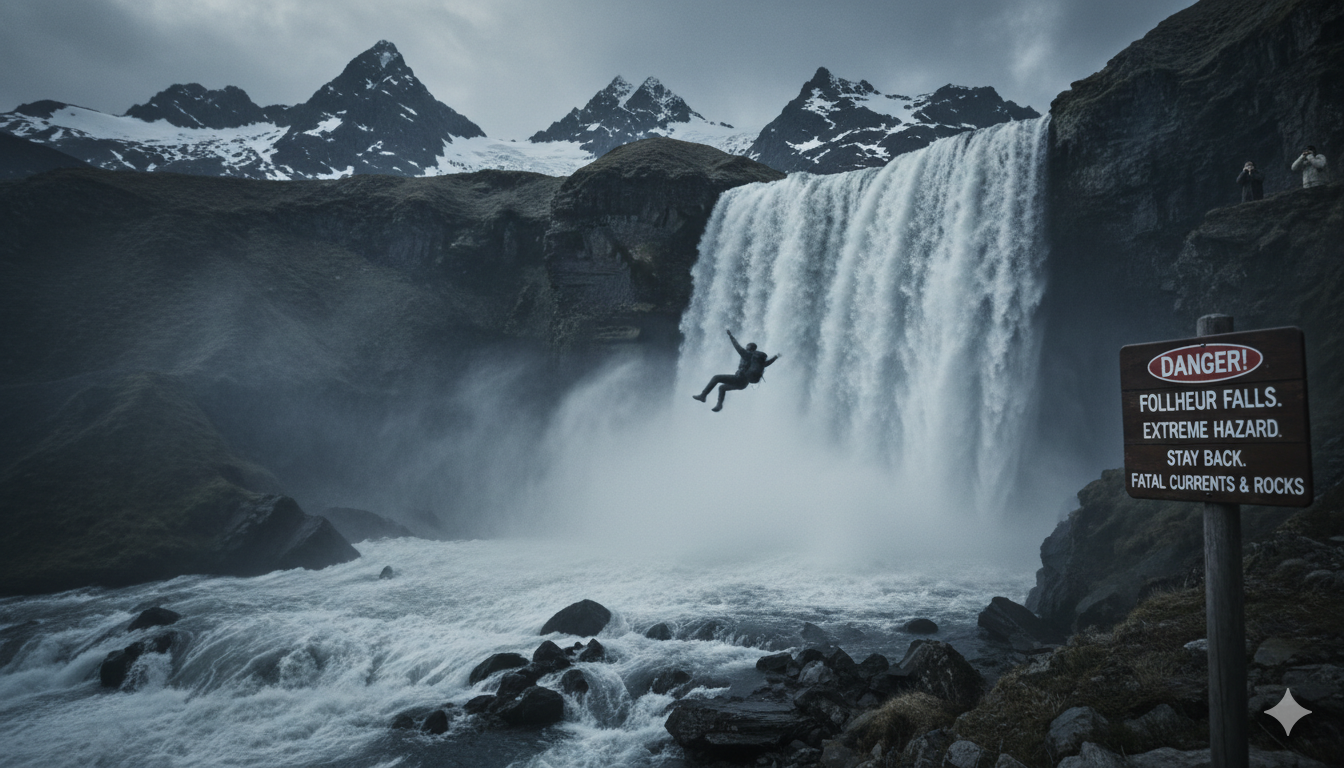
What Happens If You Fall Into Follheur Waterfall? Safety Tips & Facts
Nature is beautiful, but it can also be very powerful. Many people visit scenic spots and wonder about the “what ifs.” If you are curious about what happens if you fall into Follheur Waterfall, you are not alone. It is a common question for hikers and nature lovers who want to understand the risks of being near moving water. Falling into a waterfall is a serious event that involves physical impact and the overwhelming force of nature. Understanding these dynamics helps us appreciate the beauty of the outdoors while respecting the boundaries that keep us safe during our adventures.
When someone slips into a waterfall, the first thing they experience is a sudden loss of control. The water moves much faster than it looks from the shore. The force of the current can pull a person toward the edge before they even realize they are in danger. Once you go over the drop, gravity takes over. The height of the fall determines how hard the impact will be when you hit the bottom. It is important to stay behind safety railings and follow all posted signs to ensure your trip remains a happy memory rather than a dangerous situation.
The Immediate Impact of Falling Water
The primary concern regarding what happens if you fall into Follheur Waterfall is the sheer weight of the water. Falling water is incredibly heavy. One cubic meter of water weighs about a ton. When you are under a waterfall, it is like having several cars pressing down on you at once. This weight makes it very hard to move or swim back to the surface. Even the strongest swimmers in the world struggle against the downward pressure of a large waterfall. This is why professional divers always use special gear and plan their movements very carefully.
The impact isn’t just about the water hitting you; it’s also about what is hidden beneath the surface. Many waterfalls have “plunge pools” at the bottom. These pools are often filled with turbulent water called “white water.” Because white water is full of air bubbles, it is much less dense than regular water. This means you cannot float in it. You might try to tread water, but you will keep sinking because the air bubbles don’t provide the buoyancy you need to stay afloat. It is a very disorienting experience for anyone.
Understanding the Force of the Current
To grasp what happens if you fall into Follheur Waterfall, you have to look at the current. The water at the top of a fall is usually moving much faster than it appears. This is called “laminar flow” at the surface, but underneath, it is a chaotic mess of energy. Once you are caught in this flow, it acts like a conveyor belt. It pushes you toward the ledge with relentless speed. Most accidents happen because people underestimate how slippery the rocks are near the edge. Wet moss and smooth stones can be as slick as ice.
Once you are in the water, the current doesn’t just push you down; it can also trap you in a “recirculation” or a “hydraulic.” This is a place where the water loops back on itself. It creates a washing machine effect that can hold objects or people underwater for a long time. This is one of the biggest hidden dangers of any waterfall. Knowing this helps people understand why it is so important to keep a safe distance from the rushing water, even if it looks like a great spot for a photo.
Essential Safety Details and Data
When planning a visit to a waterfall, it is helpful to have all the facts in one place. This table provides a quick look at the factors that influence safety and what you might encounter at a site like Follheur.
Waterfall Safety and Physical Factors
| Factor | Description | Risk Level |
| Water Weight | 1,000kg per cubic meter | Very High |
| Air Entrainment | Bubbles in water (white water) | High (Loss of buoyancy) |
| Rock Surfaces | Moss-covered and wet | Very High (Slipping) |
| Temperature | Often below 15°C | Medium (Cold shock) |
| Hidden Hazards | Submerged logs and rocks | High |
The Risk of Cold Water Shock
Another major factor in what happens if you fall into Follheur Waterfall is the temperature. Many waterfalls are fed by mountain springs or snowmelt, meaning the water is freezing cold. When a person hits cold water suddenly, their body goes into “cold water shock.” This causes an involuntary gasp for air. If your head is underwater when you gasp, you could inhale water into your lungs immediately. This is a natural physical reaction that is very hard to control, even if you are a calm person.
Cold water also saps your energy very quickly. Your muscles can become stiff, making it hard to swim or grab onto something to pull yourself out. This is why experts suggest wearing life jackets if you are boating near falls, but for hikers, the best defense is staying on the trail. My personal advice is to always bring a dry change of clothes in your car, just in case you get splashed or caught in the rain, as staying warm is key to enjoying the outdoors.
Hidden Obstacles Beneath the Surface
People often worry about the height, but what is at the bottom is just as important. When asking what happens if you fall into Follheur Waterfall, you must consider submerged hazards. Waterfalls often carry debris like large branches, logs, and sharp rocks. These items get trapped in the pool at the bottom. If you fall, you could strike one of these objects. Because the water is so bubbly and moving so fast, you usually cannot see these hazards from the top or even from the shore.
Over time, the force of the falling water carves out “undercuts” in the rock. These are like underwater caves. The current can wash a person into these gaps, making it very difficult for rescue teams to reach them. This is why many areas around waterfalls are strictly off-limits. Respecting the barriers isn’t just about following rules; it is about protecting yourself from the invisible dangers that nature hides beneath the beautiful white foam and mist.
The Importance of High Visibility and Rescue
If someone does fall, time is the most important factor. Because of what happens if you fall into Follheur Waterfall, rescue teams have to act fast. However, waterfalls are often in remote areas. It can take a long time for help to arrive. Furthermore, the loud roar of the water makes it almost impossible to hear someone screaming for help. This is why you should never hike alone. Always have a buddy with you who can go get help or call emergency services if something goes wrong.
In many parks, there are specific “rescue points” with life rings or ropes. Familiarize yourself with these locations when you arrive. If you see someone fall in, do not jump in after them. This often results in two people needing rescue instead of one. Instead, try to reach them with a long branch or throw them a floating object. Staying calm and using your head is the best way to help someone who has had an accident in the water.
How to Enjoy Waterfalls Responsibly
We visit places like Follheur because they are stunning and peaceful. You can enjoy the view without asking what happens if you fall into Follheur Waterfall from a place of fear. The best way to stay safe is to use common sense. Stay on the marked paths. These paths are designed by experts who know where the ground is stable and where it might crumble. Taking a “shortcut” to get a better view is never worth the risk of a fall.
Also, be mindful of the weather. Heavy rain can turn a small, peaceful stream into a raging torrent in just a few minutes. This is called a flash flood. If the water starts to look muddy or you see more sticks and leaves floating by than usual, it is a sign that the flow is increasing. Move to higher ground immediately. By being aware of your surroundings, you can enjoy the majesty of the waterfall and go home with nothing but great photos and stories.
Professional Insights on Water Safety
As an expert in outdoor safety, I have seen how quickly things can change. People often think they are agile enough to handle a slippery rock, but nature doesn’t care how athletic you are. Gravity is a constant force. When we discuss what happens if you fall into Follheur Waterfall, we are talking about physics. You cannot argue with gravity or the weight of moving water. It is always better to be cautious and “boring” by staying behind the fence than to be “daring” and end up in a dangerous situation.
I always recommend wearing shoes with good grip, like hiking boots, when visiting these areas. Flip-flops or smooth-soled sneakers are a recipe for a slip. Also, keep a close eye on children and pets. They don’t always understand the danger of a ledge. Keep dogs on a short leash and hold a child’s hand. When you treat the environment with respect, the environment provides a beautiful backdrop for your day. Safety is the foundation of any great outdoor adventure.
Understanding the “Lure” of the Edge
There is a psychological phenomenon where people feel a strange pull toward the edge of high places. Even if you are careful, you might feel a bit dizzy or off-balance. If you are wondering what happens if you fall into Follheur Waterfall, your brain is already trying to calculate the risk. This is a good thing! Use that feeling to remind yourself to take a step back. The mist from the waterfall can also make the ground damp and slippery quite far back from the actual drop.
The best views are often from a distance anyway. When you are too close, you only see a small part of the falls. From a safe viewing platform, you can see the whole landscape and the way the water carves through the forest. This perspective gives you a much better appreciation for the geology and history of the area. Enjoy the “big picture” and stay safe while doing it.
Frequently Asked Questions
Is it possible to survive a fall into Follheur Waterfall? While some people have survived falls from heights, it is extremely dangerous and depends on the height, the depth of the water, and the presence of rocks. It is never a risk worth taking.
Why is the water so white at the bottom? The white color comes from air being mixed into the water as it falls. This creates “aerated” water, which is much harder to swim in because it is less dense than clear water.
Can I swim at the base of the waterfall? Most waterfalls have signs indicating if swimming is allowed. Often, the currents and hidden debris make it too dangerous, even if the water looks calm on the surface.
What should I do if I see someone fall in? Call emergency services immediately. Do not jump in. Use a “reach or throw” method by providing a branch, rope, or flotation device from a safe spot on land.
How heavy is the water falling on you? Water is very heavy! A single gallon weighs about 8.3 pounds. Thousands of gallons falling at once can exert thousands of pounds of pressure on your body.
Are the rocks always slippery? Yes, rocks near waterfalls are almost always wet from the mist. They often grow thin layers of algae or moss that act like grease, making them incredibly slick.
Conclusion: Stay Safe and Enjoy the View
In summary, knowing what happens if you fall into Follheur Waterfall is about understanding the power of nature. From the heavy weight of the water to the lack of buoyancy in the foam, the risks are very real. However, these risks are easy to avoid. By staying on the trails, wearing the right shoes, and respecting the warning signs, you can have a wonderful time exploring. Waterfalls are some of the most magnificent sights on Earth, and they deserve our respect and admiration.
Next time you are out in the wild, remember that safety is your best travel companion. Share these tips with your friends and family so everyone stays protected. Have you ever visited a waterfall that took your breath away? Tell us about your experience in the comments or share your favorite safety tips for hiking! Your insights could help someone else stay safe on their next big trip into the great outdoors.