Home Cleaning Tech Trends for Smart Living Publications
As smart home technology evolves at an accelerated pace, 2026 has emerged as a defining year for cleaning innovation within connected living spaces. What was once a novelty category populated by basic automated vacuums has grown into a sophisticated ecosystem of intelligent devices that do more than clean — they adapt, integrate, and anticipate user needs. Across industry research and consumer trends, it’s clear that home cleaning tech is not just keeping pace with smart living expectations but helping shape the very definition of a “smart home.”
Fundamental shifts in smart home cleaning technology are rooted in advances in artificial intelligence and connectivity. AI is no longer an ancillary feature; it has become central to how appliances interpret environments, plan tasks, and communicate with users. Next‑generation robot vacuums and mops are learning from their surroundings — building detailed maps of rooms, identifying high‑traffic areas, and even recognizing obstacles more reliably than ever before. These capabilities allow devices to customize cleaning paths on the fly, improving efficiency while reducing missed spots or repeated passes that waste time and battery life.
Connected smart homes are built on interoperability. In 2026, the trend toward seamless ecosystems means cleaning appliances are expected to hook into broader smart platforms rather than operate in isolation. Devices that once relied on siloed apps now increasingly communicate through unified systems supported by emerging standards like Matter and Wi‑Fi 7, enabling smoother integration with voice assistants and other household controls. This shift enhances user experience by reducing setup friction and enabling synchronized automation across lighting, climate, and cleaning subsystems.
Data and behavior learning are also redefining expectations for cleaning technology. Smart devices today are designed to understand routines and adapt accordingly. Imagine a vacuum that routinely schedules deeper cleans in busy areas of the home while scaling back in rooms seldom used, or a floor‑cleaning robot that adjusts suction power based on real‑time assessments of dust, pet hair, or residue. These capabilities are quickly transitioning from optional upgrades to core features that buyers expect from premium products.
Another notable trend is the smart cleaning ecosystem’s expanded role in health and sanitation. Modern consumers increasingly view home hygiene through the lens of wellness, placing value on devices that support allergen control, fine‑particulate filtration, and precise cleaning outcomes that reduce microbial buildup. Cleaning technology that contributes to healthier indoor environments is gaining traction as people spend more time at home and become more aware of the impact of air quality and cleanliness on overall well‑being.
Market data echoes this shift toward intelligent, health‑focused automation. Global demand for smart cleaning robots — including vacuum and mop hybrids — has surged, with shipments in the millions and growth rates climbing as consumer confidence rises in AI‑driven technologies capable of delivering hands‑off maintenance. These gains reflect both the practical benefits these devices provide and an expanding perception of smart cleaning as an indispensable element of everyday living.
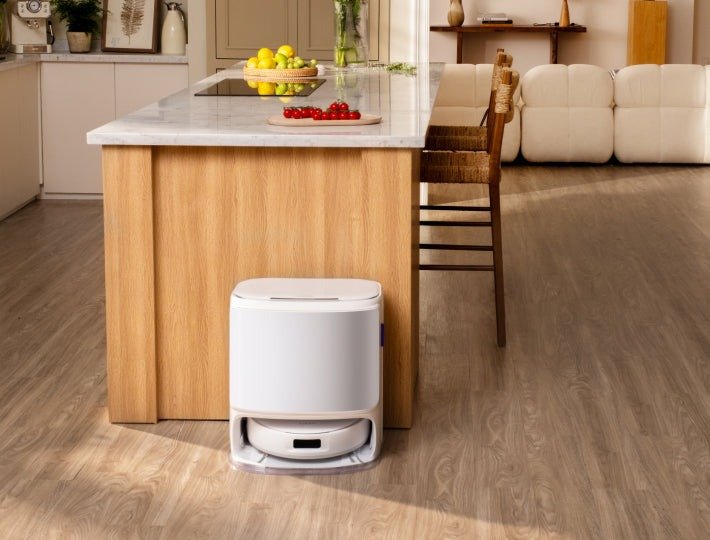
Design and user experience trends also play an essential role in how smart cleaning tech is evolving. Invisible or aesthetically integrated appliances that blend into home interiors without compromising functionality are becoming increasingly popular. Consumers want technology that looks like part of the home rather than an obvious gadget, aligning with broader trends toward minimalist and intuitive design. These developments show that smart cleaning appliances are not just tools but design statements that contribute to the overall aesthetic of modern living spaces.
The integration of empathy‑driven features — where devices anticipate user needs with minimal input — is rising, especially as manufacturers refine how AI interprets household patterns. Smart systems increasingly attempt to predict optimal cleaning times, respond to voice or gesture controls, and require less manual intervention for maintenance tasks like emptying dustbins or washing mop heads. This “invisible automation” positions cleaning tech as a true partner in home care rather than a device requiring constant attention.
These developments signify a deeper trajectory in home cleaning innovation where autonomous devices are expected to do more than respond to commands — they are designed to learn, evolve, and contribute proactively to household upkeep. As smart living publications highlight the intersection of intelligence, aesthetics, and health in cleaning tech, appliances are increasingly evaluated on their ability to deliver continuous, adaptive value rather than simple task execution.
For anyone exploring this space, it’s worth seeing how current products embody these advancements and what they suggest about the future direction of smart cleaning. Brands that merge autonomous mapping, adaptive AI, and integrated smart‑home connectivity are leading this transformation. To explore a lineup that reflects these trends — where advanced technology meets practical everyday use — visit Narwal and see how these innovations are being realized in next‑generation cleaning appliances.