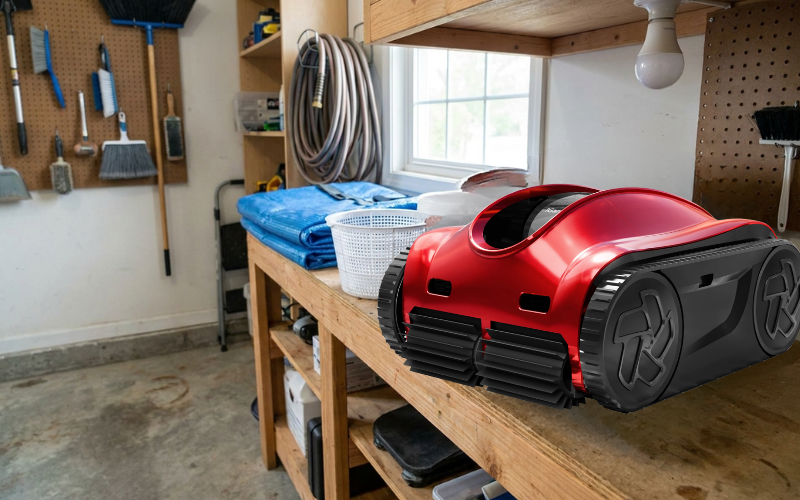
How to Store a Robotic Pool Cleaner Properly Between Swim Seasons
A robotic pool cleaner can make pool care much easier during the swim season. It handles routine debris, reduces manual work, and helps keep the floor and walls in better shape. But seasonal use brings one important question. What should owners do with the cleaner when the pool is closing for weeks or months?
Many people focus on how to use a cleaner. Fewer think about how to store it well. That can be a mistake. Poor off-season storage can shorten equipment life, weaken performance, and create avoidable issues by the time warm weather returns. A cleaner that is left wet, dirty, or exposed to heat and cold may still run later, but it may not perform as well as it should.
Proper storage is not difficult. It mostly comes down to cleaning, drying, checking key parts, and choosing the right location. These steps do not take much time. Still, they can make a clear difference over a full off-season.
Why Off-Season Storage Matters More Than Many Owners Expect
Pool owners often think of storage as a simple last step. They pull the cleaner out, set it aside, and move on to the rest of pool closing. That feels efficient, but it can lead to problems later.
A robotic cleaner is exposed to water, chemicals, fine debris, and outdoor conditions all season long. If it is stored carelessly, that leftover moisture and residue stay on the machine for months. During that time, buildup can harden, seals can stay under stress, and materials can age faster than they should.
Storage Problems Often Build Slowly
The most common off-season issues do not appear right away. They build over time. For example:
- trapped moisture can create odor or residue
- dirty filters can become clogged with dried debris
- direct sunlight can age plastic and rubber parts
- freezing conditions may stress internal areas if water remains inside
None of these problems needs to happen for storage to be considered poor. Even minor neglect can make spring startup more frustrating.
Good Storage Supports Better Spring Performance
A well-stored cleaner is easier to inspect, easier to restart, and easier to trust when pool season begins again. Owners who store the unit properly often spend less time dealing with avoidable issues in spring. That alone makes the effort worthwhile.
Clean the Unit Thoroughly Before Putting It Away
The most important step is also the most obvious. Do not store the cleaner dirty.
After the final cleaning cycle of the season, remove the unit and rinse it well with fresh water. This helps wash away pool chemicals, mineral residue, and light debris that may remain on the housing, brushes, and wheels.
Pay Special Attention to the Filters
The filter area deserves extra care. This is where fine debris, leaves, dust, and residue tend to collect. If the filter is stored dirty, that material can dry out and harden. In some cases, it may also create odor or block airflow and water movement later.
Take the filters out. Rinse them fully. If needed, use light manual cleaning to remove stuck debris. Make sure they are actually clean, not just quickly sprayed.
Do Not Ignore Small Surface Areas
It is easy to rinse the obvious areas and miss the rest. Owners should also check:
- wheel wells
- brush areas
- intake openings
- filter compartment edges
- underside surfaces
These areas can trap fine debris or residue that becomes harder to remove after months in storage.
Dry Everything Before Long-Term Storage
A cleaner should never go into long-term storage while wet. Even if it looks dry from the outside, moisture may still remain inside compartments or around moving parts.
After rinsing, let the cleaner dry in a shaded and ventilated area. The goal is not to bake it in the sun. The goal is to allow moisture to leave the unit naturally.
Filters Should Dry Separately
If possible, let the filters dry outside the machine. This helps prevent trapped dampness inside the filter compartment. It also reduces the chance of odor or mildew developing during storage.
Do Not Rush This Step
Many storage mistakes happen because owners try to finish everything in one afternoon. Drying takes time. It is better to wait and store the cleaner properly than to seal in moisture just to move faster.
Check for Wear Before the Season Ends
Off-season storage is also a good time for a basic inspection. Owners do not need a technical checklist. A simple visual review is often enough.
Look at the cleaner for signs of wear from the season. This includes worn brushes, damaged filter panels, loose parts, cracked plastic, or anything that seems out of place. If something looks wrong, it is better to notice it now than to discover it next spring when the pool is ready to use.
Small Issues Are Easier to Handle Early
When a cleaner is stored without inspection, small problems are easier to forget. Months later, owners may not even remember what happened near the end of the previous season. A quick review now keeps the condition of the unit fresh in mind.
Check the Cord or Charging Components Too
Even if the cleaner itself looks fine, storage-related stress can affect other parts of the setup. Owners should inspect any charging or support components and make sure they are clean, dry, and ready for safe storage as well.
Choose a Storage Location With Stable Conditions
Where the cleaner is stored matters almost as much as how it is cleaned. The best location is dry, shaded, and protected from major temperature extremes.
A garage, storage room, or covered utility area often works well. The space does not need to be fancy. It just needs to avoid direct sun, standing moisture, and freezing exposure when possible.
Avoid Outdoor Storage If Possible
Leaving the cleaner outside during the off-season may seem convenient, especially if it is under a cover. But outdoor conditions still bring temperature swings, moisture, and dirt. Those conditions are not ideal for long periods of inactivity.
Keep It Off Damp Floors
If the storage area has a concrete floor or a space that gets damp, it is better to place the cleaner on a shelf, platform, or dry surface. Long contact with damp flooring can create unnecessary exposure to moisture.
Store It in a Way That Reduces Stress on the Unit
The cleaner should be placed in a position that feels stable and natural. It should not be squeezed into a tight corner or stored under heavy items.
Do Not Pile Other Equipment on Top
A robotic cleaner is not meant to support storage weight from pool toys, hoses, or random seasonal gear. Pressure over several months can affect the shape of plastic housing or place stress on handles and covers.
Think About Easy Spring Access
A pool cleaner robot that is stored neatly is easier to bring back into service. Owners should store it where it can be reached without dragging it through clutter or moving heavy items first. Good storage helps now, but it also helps later.
What Not to Do Between Swim Seasons
Some storage mistakes happen again and again. They are easy to avoid once owners know what to watch for.
Common Mistakes Include
- storing the unit while filters are still dirty
- leaving water trapped inside the cleaner
- placing it in direct sun for long periods
- storing it outside through winter
- letting it sit on a damp floor
- stacking heavy objects on top of it
Each of these may seem minor at first. But over a long off-season, they can add up.
A Simple End-of-Season Storage Routine
The easiest way to avoid mistakes is to follow the same steps every year.
Use This Basic Routine
- Run the final cleaning cycle if needed
- Remove the cleaner from the pool
- Rinse the full unit with fresh water
- Remove and clean the filters
- Let the cleaner and filters dry fully
- Check for visible wear or damage
- Store everything in a dry, shaded, protected space
This process is simple, but it covers the basics well.
Final Thoughts
Proper off-season storage is one of the easiest ways to protect a robotic pool cleaner. It does not require special tools or advanced knowledge. It only requires a little care at the right time.
A cleaner that is rinsed, dried, inspected, and stored in a stable location has a better chance of performing well when the next swim season begins. That means less frustration, fewer surprises, and a smoother return to normal pool care.
For pool owners, that is the real value of good storage. It protects the equipment during the months when it is not being used, so it is ready again when it matters.