American Revenge Travel Surge: 2026 Trends, Data, and Shifting Tides
Remember when the world stood still? For months, our suitcases gathered dust in the back of the closet, and our travel dreams were confined to looking at old photos on our phones. But when the skies finally reopened, something incredible happened. Millions of Americans did not just cautiously step back outside—they burst out with a fierce determination to reclaim every single moment of lost time.
This massive wave of wanderlust became known across the globe as the american revenge travel surge. It was a bold collective statement that vacations were no longer a luxury, but a non-negotiable part of living a full life. People did not just want a quick weekend getaway. They wanted the big trips, the far-flung beaches, and the bucket-list adventures they had been forced to put off.
As an industry expert who has tracked these moving pieces for years, I have watched this phenomenon completely reshape how airlines operate, how hotels price their rooms, and how local communities handle historic crowds. Today, as we navigate through 2026, the initial post-pandemic frenzy is settling into a brand-new phase. It is not that Americans are staying home; rather, the way we take our “revenge” is becoming smarter, more intentional, and highly personalized. Let us dive deep into the numbers, the shifts, and the beautiful realities of this travel revolution.
What Exactly Is the American Revenge Travel Surge?
At its core, the american revenge travel surge describes the sudden, explosive increase in vacation bookings right after global pandemic travel restrictions were lifted. The word “revenge” sounds a bit intense, but it is actually a beautiful form of defiance. Travelers were taking revenge against the virus, the lockdowns, and the dreary feeling of being stuck in one place for over two years.
Instead of saving money or compromising on smaller trips, millions of American households decided to spend big. Families emptied their vacation savings accounts to book extended, multi-generational trips. Couples who had delayed their honeymoons tripled their original budgets to fly business class or stay at five-star luxury resorts. The mindset shifted from “maybe someday” to “we are going right now because life is short.” This collective rush packed major airports to maximum capacity and filled up hotels from Paris to Maui.
The Economic Spark: What Funded the Travel Explosion?
An economic spark plug sat right beneath the surface of the american revenge travel surge. During the years of staying indoors, the personal savings rate in the United States hit record highs. Without daily commutes, restaurant dinners, or live concert tickets to buy, Americans collectively saved trillions of dollars in extra cash.
When the green light to travel finally arrived, people had the financial firepower to back up their massive wanderlust. This extra cash reserves allowed travelers to absorb rising airfares and expensive hotel rates without blinking. It created what industry analysts call the “splurge-cation.” People were not just buying a plane ticket; they were actively upgrading their entire experience—choosing better seats, booking private tours, and staying extra days just because they could.
Air Travel and the Overwhelming Demand on Skies
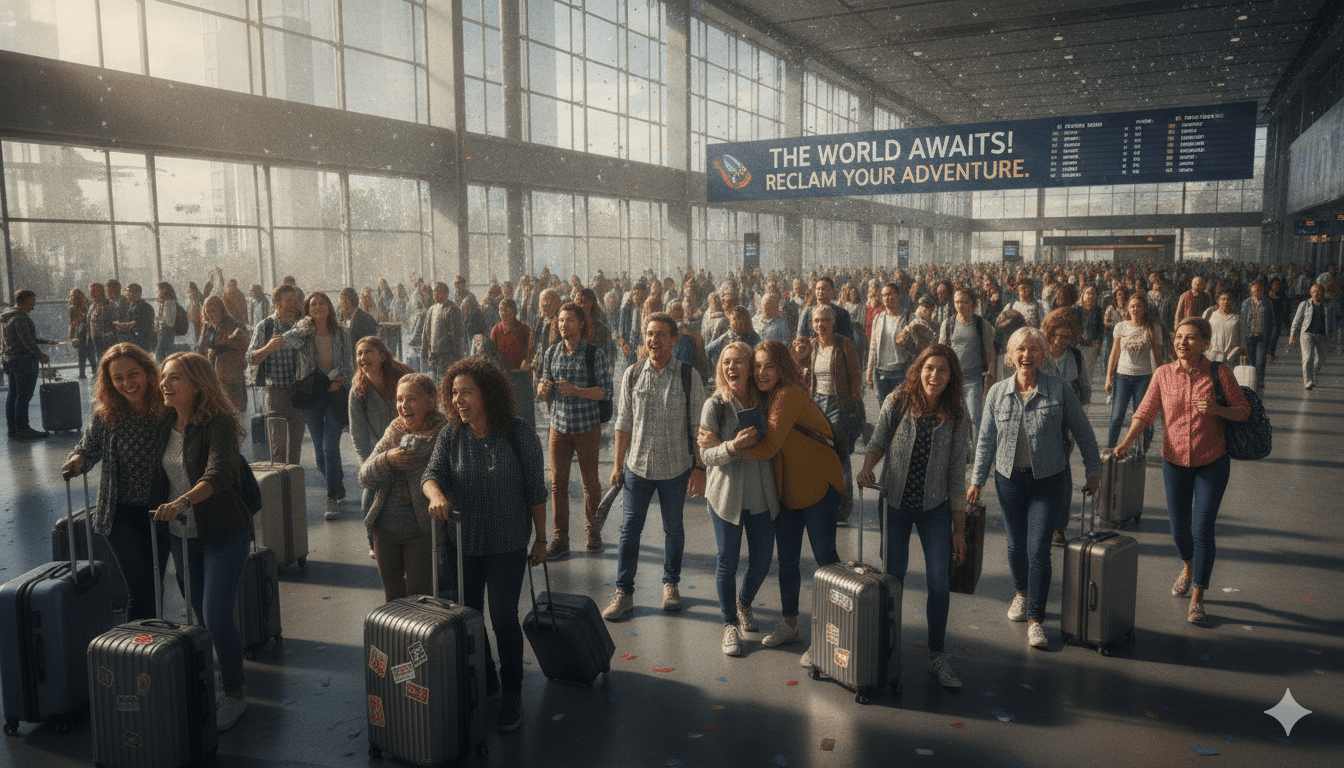
The sheer volume of the american revenge travel surge put an immense amount of pressure on the aviation industry. Airlines that had reduced their staff during the slow years were suddenly hit with a tsunami of bookings. Packed terminals, long security lines, and tightly stuffed overhead bins became the standard reality of air travel across North America.
Despite the crowded spaces and higher ticket prices, domestic air passenger volume soared to historic heights. People were highly tolerant of delays and chaotic airports simply because they were so grateful to be on the move again. Leading carriers saw unprecedented demand for premium economy and business class seats as everyday flyers decided that the comfort of the journey was worth the extra cost.
From International Hotspots to Domestic Hidden Gems
Where did all these eager travelers go? Initially, the american revenge travel surge sent a record-breaking number of Americans across the Atlantic. Flights to classic European destinations like Italy, France, and Greece saw massive volume increases. Beautiful culinary tours and historic city walks were completely booked months in advance.
However, a parallel trend emerged right here at home. Millions of other Americans directed their energy toward the great outdoors. National parks, secluded mountain cabins, and quiet waterfront getaways became absolute hotspots. Travelers fell back in love with the diverse landscapes of the United States, proving that making up for lost time did not always require a ten-hour flight.
The Rise of “Bleisure” and Remote Work Flexibility
The professional world changed forever after the pandemic, and that shift added immense fuel to the american revenge travel surge. With remote work and flexible schedules becoming permanent corporate policies, the line between business and leisure travel completely blurred. This created the popular trend known as “bleisure.”
Travelers realized they could easily pack up their laptops, check into a beautiful vacation rental, and work during the day while exploring a brand-new city during the evenings and weekends. This freedom transformed the traditional one-week vacation into extended multi-week stays. It allowed digital nomads to turn the entire world into their personal office, sustaining high travel numbers throughout the entire year.
Tracking the Numbers: A Complete Data Overview
To truly see how the american revenge travel surge has changed the landscape, we need to look closely at the data. The travel sector has experienced a massive transition from the wild volatility of the early recovery years into a highly stable and mature growth phase in 2026.
The detailed table below highlights the key shifts in spending, passenger volume, and traveler preferences over this defining era.
| Travel Metric | Peak Surge Era (2022–2024) | Current Maturing Phase (2026) | Main Driver & Core Shift |
| Total U.S. Travel Spend | Hyper-growth fueled by massive pandemic savings. | Estimated $1.37 Trillion (Inflation-adjusted). | Prioritizing consistent, purposeful travel over one-time chaotic splurges. |
| Primary Flight Focus | Massive 600% explosion in long-haul international flights. | High domestic focus; rising regional road trips. | Travelers are managing rising costs by choosing closer, accessible getaways. |
| Trip Duration Habits | Standard 7-day vacations or hyper-extended luxury breaks. | Rise of shorter, high-frequency weekend trips. | Maximizing personal calendar flexibility and minimizing work disruption. |
| Accommodation Focus | High-end luxury hotels and isolated rural vacation rentals. | Immersive “destination hotels” and historic converted spaces. | Seeking unique, experiential stays where the lodging is part of the story. |
| Passenger Volume | Chaotic, over-crowded terminals with extreme demand spikes. | Stabilized passenger volumes with high focus on service quality. | Airlines adapting to steady demand; passengers rewarding great service. |
The Maturing Phase: How Travel Is Changing in 2026
As we move through 2026, the wild, chaotic energy of the initial american revenge travel surge is officially evolving into something much more sustainable. The pent-up panic to travel at any cost has naturally faded away. Rising everyday expenses, like gas and groceries, have caused consumer confidence to experience a slight dip, making travelers much more mindful of their budgets.
Instead of stopping their adventures, Americans are trading down or trading smart. We are seeing a major rise in regional drive markets and domestic road trips. Travelers are looking for secondary cities and hidden gems that offer incredible value without the high price tag of a major European capital. The focus has successfully shifted from a frantic escape to a deeply intentional expression of self.
Experiential Travel: Passions Over Simple Sightseeing
A beautiful side effect of the american revenge travel surge is that people no longer want to just stand in line to take a photo of a famous monument. Today’s traveler wants to actively participate in the destination. We are seeing an incredible boom in experiential travel built entirely around personal passions.
Whether it is booking a localized fragrance workshop in Paris, taking a traditional tortilla-making class in Mexico City, or participating in a wellness retreat in the mountains, travelers want to learn a new skill. People are intentionally leaving empty spaces in their itineraries to allow for unexpected local discoveries. The ultimate goal is to create a deeply memorable story that feels authentic and uniquely personal.
Multi-Generational Journeys and Milestone Milestones
The time we spent apart taught us the true value of family connections. Because of this, the american revenge travel surge triggered a major movement toward multi-generational family travel. Grandparents, parents, and children are now packing their bags together to share big communal experiences.
Milestone celebrations like big birthdays, anniversaries, and graduations are no longer just backyard parties. Instead, they have transformed into extended group getaways. Families are booking large vacation homes or heading out on cruises together. These trips are viewed as highly rewarding investments in family history, creating shared core memories that span across generations.
Looking Ahead: The Future Balance of American Travel
The era of the frantic american revenge travel surge may be pacing down, but the American passion for exploring the world is completely here to stay. Travel has become permanently woven into our health and wellness priorities. Younger generations, like Millennials and Gen Z, openly state that travel is a non-negotiable expense they will protect even during tight economic times.
The future of travel is all about personalization, smart planning, and finding deep value. With the helpful assistance of artificial intelligence tools for seamless planning and a renewed focus on local authenticity, the modern American traveler is more empowered than ever before. We have moved past the revenge phase, and we have entered the glorious era of purposeful, mindful, and deeply enriching discovery.
Frequently Asked Questions (FAQs)
What originally triggered the american revenge travel surge?
The surge was triggered by the lifting of global pandemic restrictions and border closures. After spending nearly two years in a static environment, millions of Americans used their saved-up vacation funds to aggressively book trips, making up for lost time and canceled plans.
Is the american revenge travel surge still happening today in 2026?
The initial chaotic frenzy has stabilized. While the wild “spend at any cost” mindset has eased due to inflation and economic factors, overall demand remains incredibly strong. The trend has evolved into smart, intentional, and highly personalized experiential travel.
How did the surge affect flight prices and hotel rates?
The massive, sudden imbalance between high traveler demand and limited airline and hotel capacity caused prices to climb significantly. Travelers frequently encountered expensive airfares and premium lodging rates, which they willingly paid to secure their long-awaited vacations.
What is “bleisure” travel, and how did it impact this trend?
Bleisure travel is the practice of combining a professional business trip with leisure vacation days. Fueled by the rise of remote work flexibility, it allowed Americans to stay in destinations much longer, working from their laptops by day and exploring by night.
Are Americans traveling more internationally or domestically right now?
While international bucket-list trips saw an initial massive boom, there is currently a strong pivot toward domestic and regional travel. Due to rising costs, many travelers are opting for road trips, national parks, and secondary cities closer to home.
Why are experiential trips becoming more popular than standard sightseeing?
After the stationary years of the pandemic, travelers want deep, meaningful connections rather than superficial tourist experiences. People are now prioritizing learning new skills, participating in local workshops, and exploring regional food cultures to make their journeys truly memorable.
Conclusion: Reclaim Your Next Adventure
The story of the american revenge travel surge is a powerful reminder of how deeply we crave connection, adventure, and new perspectives. While the initial wave of post-pandemic panic has passed, the beautiful spirit of exploration remains completely alive in our hearts. Travel changes us, heals us, and brings us closer to the people who matter most.
The world is wide open, and there is an incredible, authentic adventure waiting for you just around the corner. Are you ready to write your next great travel chapter? Start planning your next meaningful getaway today, support a local community, and keep the spirit of discovery alive!