Rectangular Body Shape: A Complete Style and Lifestyle Guide
Introduction
The concept of a rectangular body shape is widely used in fashion styling, fitness planning, and personal image consulting. It refers to a body silhouette where the shoulders, waist, and hips are relatively aligned, creating a straight and balanced outline. Unlike curvier or more tapered body types, the rectangular body shape tends to have fewer natural curves, which makes styling both flexible and strategic. Understanding this body type helps individuals choose clothing, exercise routines, and styling techniques that enhance proportions and create visual balance. It is not about changing the body but about highlighting its natural strengths in a confident and flattering way.
What is Rectangular Body Shape
The rectangular body shape, sometimes referred to as the straight or athletic body type, is defined by a fairly even measurement across the shoulders, waist, and hips. This alignment creates a silhouette that appears linear from top to bottom. The waist is not highly defined, which contributes to the straight appearance. This body shape is common among athletes, models, and individuals with lean or naturally balanced frames.
People with a rectangular body shape often find that clothing fits evenly across most areas without significant tailoring. While this can be convenient, it also means that clothing choices play an important role in adding definition and dimension. The goal when styling this body type is often to create the illusion of curves or emphasize structure through smart fashion techniques.
Key Characteristics of Rectangular Body Shape
The rectangular body shape has several defining characteristics that make it easy to identify. The shoulders are typically aligned with the hips, giving a symmetrical appearance. The waist is only slightly narrower than the bust and hips, which results in a straight silhouette rather than an hourglass curve. The overall frame is often described as athletic or lean.
Another feature is the minimal difference between upper and lower body measurements. This creates a balanced look, which can be an advantage in fashion versatility. Individuals with this body shape also tend to have longer limbs and a proportionate torso, which contributes to an elongated appearance. Because of this, styling focuses on creating visual curves or adding dimension through clothing structure and layering.
Clothing Strategies for Rectangular Body Shape
Dressing a rectangular body shape involves creating the illusion of curves while maintaining balance. Clothing that adds volume to the bust or hips can help break the straight line of the silhouette. For example, structured jackets, peplum tops, and ruffled designs are often used to create shape in the upper body. Similarly, skirts with flare or pleats can add dimension to the lower body.
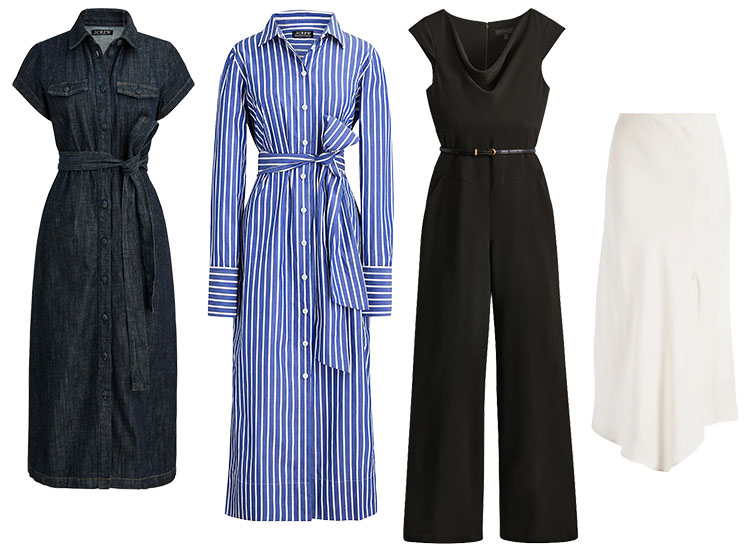
Waist definition is another important aspect of styling. Belts, cinched dresses, and tailored clothing help create the appearance of a narrower waist. High-waisted pants and skirts are also effective because they visually divide the body and enhance proportion.
Layering is another useful strategy. Wearing multiple layers, such as jackets over fitted tops or cardigans over dresses, adds depth and dimension. Fabric choice also plays a role, as stiffer materials tend to hold structure better, while softer fabrics create flow and movement that soften the straight silhouette.
Styling and Fashion Guidance
When it comes to styling a rectangular body shape, the goal is often to create balance between structure and softness. Necklines such as V-necks or scoop necks help elongate the upper body while drawing attention upward. Similarly, off-shoulder styles can add width to the upper frame, creating a more proportional look.
Patterns and textures also play a significant role. Horizontal patterns can add width, while bold prints can create focal points that break up straight lines. Accessories such as statement belts, layered necklaces, and structured handbags help add visual interest and definition.
Footwear choices can also influence overall proportions. Heels or platform shoes can enhance posture and elongate the legs, while boots with structure can balance the lower body. The key is to maintain harmony across the outfit while subtly shaping the silhouette.
Exercise and Fitness Approach
Fitness for a rectangular body shape is often focused on building definition and enhancing natural contours. Strength training is commonly recommended to help develop muscle tone in areas such as the shoulders, glutes, and core. This can create more visual curves and improve overall body definition.
Core-focused exercises are especially useful because they help strengthen and define the midsection. While the waist may naturally be less curved, strengthening the abdominal muscles can improve posture and enhance shape. Similarly, lower body exercises such as squats and lunges can add volume and balance to the hips and thighs.
Flexibility and cardio workouts also play an important role in maintaining overall health and body composition. Activities such as yoga, Pilates, and swimming help improve posture and support a lean, balanced physique. The aim is not to drastically change the body but to enhance its natural alignment and strength.
Common Mistakes to Avoid
One common mistake with a rectangular body shape is wearing overly loose clothing that hides the natural frame. While comfort is important, excessive baggy clothing can make the silhouette appear boxy rather than balanced. Another mistake is avoiding structure entirely, which can lead to a lack of definition in outfits.
Ignoring waist definition is also a frequent styling issue. Without creating separation between the upper and lower body, outfits can appear flat. Similarly, relying only on straight-cut clothing may reinforce the natural linear shape rather than enhancing it.
Over-accessorizing without purpose can also disrupt balance. Instead of adding random elements, it is more effective to choose intentional pieces that highlight specific areas such as the waist, shoulders, or neckline. Understanding proportion is key to avoiding these common styling challenges.
Conclusion
The rectangular body shape is a naturally balanced and versatile body type that offers a wide range of styling possibilities. While it may lack pronounced curves, it provides a strong foundation for fashion creativity and structured styling. By understanding its characteristics and applying thoughtful clothing, fitness, and styling strategies, individuals can enhance their natural silhouette and create visually appealing proportions. The key lies not in changing the body, but in highlighting its strengths with confidence and intention.

